Delfshaven, Rotterdam: classic lanterns converted to LED without replacement
In historic Delfshaven, the classic municipal lanterns were converted to LED with a retrofit kit: same luminaire, same streetscape, a fraction of the consumption. What a retrofit involves, what to check and when replacement is the better choice.
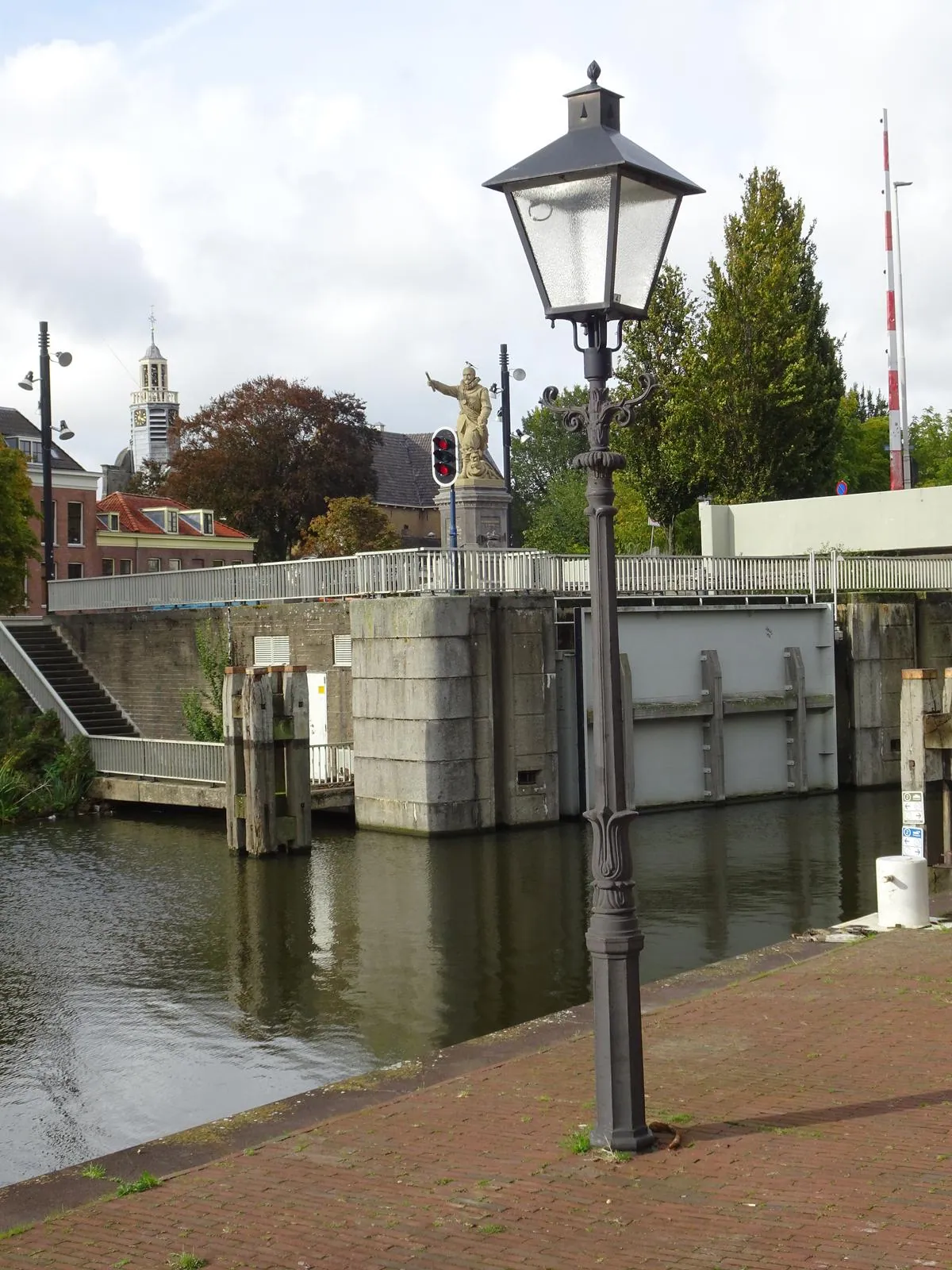
A harbour district with a character of its own
Delfshaven is one of the oldest parts of Rotterdam: a historic harbour with warehouses, quays and narrow streets. The classic lanterns belong there as much as the bridges and the facades. In a protected townscape, replacing them with a modern luminaire is not an obvious choice, while conventional lamps use a lot of energy and have a short life.
The answer was a retrofit: the lanterns stayed on their columns and were fitted internally with an LED module and driver. From the outside nobody can tell the difference; the light has simply become more even, without glare. Lichtplein was not involved in this project; it serves here as an example of what a retrofit in a historic district involves.
What a retrofit kit actually does
In a retrofit, the installer replaces only the inside of the luminaire. Lampholder, control gear and discharge lamp come out; an LED module, a driver and usually a surge protection device go in on a mounting plate. Housing, canopy, glazing and column stay where they are. That means:
- No excavation, no new foundation or cable.
- A short job per column from the access platform, without a long road closure.
- The streetscape stays intact, which is decisive in a protected townscape.
What it delivers
A classic lantern with a conventional lamp easily draws 60 to 90 W including control gear. An LED module of 20 to 40 W at 130 to 150 lm/W gives the same amount of light or more: roughly half to two thirds less consumption, and less spill light into the sky and onto the facades.
A discharge lamp lasts 12,000 to 20,000 operating hours; a good LED module reaches 50,000 hours (L70) or more. At around 4,000 operating hours a year, that is well over ten years without a lamp change.
What to check before a retrofit
- Housing. Cracks, corrosion or a leaking canopy make a retrofit pointless: the IP rating is only as good as the weakest gasket.
- Light distribution. Choose a module with a distribution comparable to the old lamp, otherwise dark patches appear between the columns. In residential streets an average of 3 to 5 lux is usually sufficient.
- Colour temperature. Warm white (2200 to 3000 K) suits a historic district; 4000 K looks cooler.
- Surge protection. Choose a driver with at least 10 kV protection.
- CE and warranty. Ask for a CE declaration covering the complete kit and record who stands behind the assembly.
- Column connection box. Check the fuse and the earth braid; NEXUS supplies boxes to the Dutch standard for one or two fuses.
When replacement is the better choice
If the housing is worn out, a new classic luminaire on the existing column is often cheaper than a retrofit. The classic post-top luminaire from POLARIS has 40 W, 4,000 lumens, IP66 and fits an 80 mm spigot. If the column is due for replacement too, combine it with a conical steel column from TURRIS of 4 or 6 metres or an aluminium column from CIVIS. Lichtplein supplies these to installers and municipalities: luminaires and steel columns from stock, aluminium columns on a project basis, with up to 5 years' warranty on the luminaires.
Frequently asked questions
Can every classic lantern be converted to LED?
Usually yes, as long as the housing is intact and watertight and there is room for the module and driver. Lanterns with a damaged canopy or heavy corrosion are better replaced with a new classic luminaire.
Does the light distribution stay the same after conversion?
Only if the LED module has a distribution comparable to the old lamp. If in doubt, have a lighting calculation made on the existing column spacing, so you know beforehand whether dark patches will appear.
Which colour temperature suits a historic district?
Warm white between 2200 and 3000 K fits the character of old streets best and causes less light nuisance. The modern versions of POLARIS are adjustable between 2200 and 4000 K.
Does Lichtplein carry out the conversion itself?
No. Lichtplein is a wholesaler and supplies businesses only: installers and municipalities carry out the work. We supply luminaires, columns and column connection boxes and provide the lighting calculation on request.
How much energy does a retrofit save?
Expect roughly half to two thirds less consumption per lighting point, depending on the old lamp and the LED wattage chosen. Dimming during the night hours increases that further.
View the classic and modern post-top luminaires from POLARIS or let us prepare a lighting calculation on your existing column spacing. Lichtplein supplies businesses only.
Read also
 Knowledge
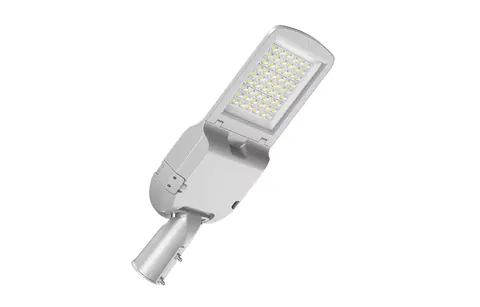
3000K, 4000K or 5000K: choosing colour temperature by application
Kelvin decides whether light looks warm, neutral or cool, and with it whether a street feels comfortable and a warehouse works well. We set out the right colour temperature for each application.
7 October 2026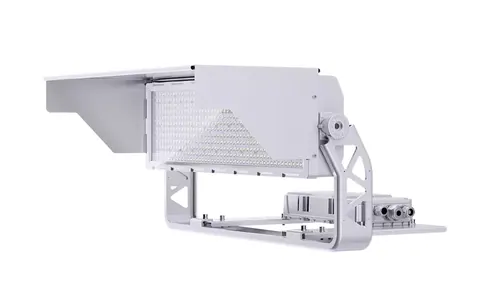 Troubleshooting
Vandalism and impact damage to outdoor lighting: how to limit the damage
Smashed luminaires, columns hit by vehicles and forced column doors cost far more than the product itself. Read which IK rating, mounting height, materials and column door closure limit the damage, and how to keep replacement costs down.
25 September 2026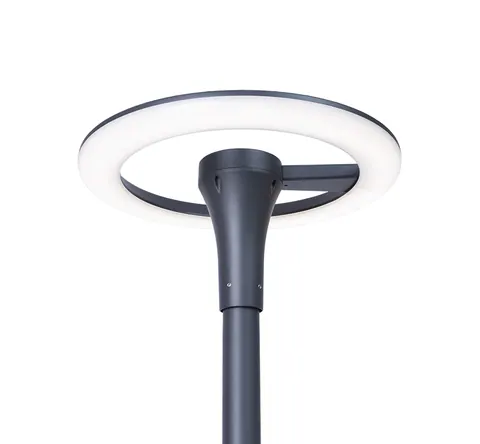 Knowledge
Post-top luminaire or street luminaire: the difference and where to use each
A post-top luminaire sits on top of the column and lights all round; a street luminaire mounts on a bracket or tilts on the column top and directs the light along the road. Here is how to choose the right type, column height and light distribution for your project.
24 September 2026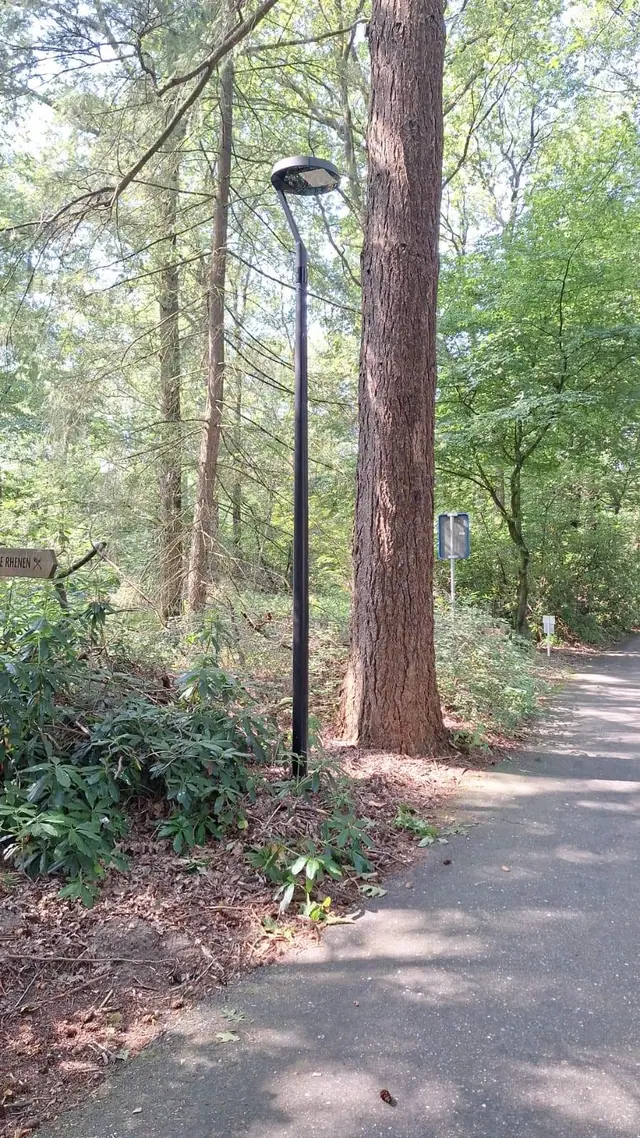 Projects
Residence Rhenen, Elst: post-top lighting in a wooded setting
On a residential park among the trees near Elst (Utrecht), two post-top models on low columns deliver atmosphere and safety at the same time. What this project teaches and how you achieve the same result with POLARIS, CIVIS and TURRIS.
9 September 2026