Knowledge, troubleshooting and practical examples
Guidance for installers and buyers: differences between luminaires, standards, common problems, project stories and worked examples. Written by our specialists.
 Knowledge
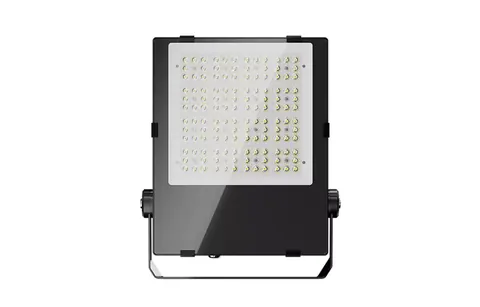
LED lighting before year end: KIA, EIA and planning for Dutch businesses
Many companies replace their lighting in the last months of the year. What the Dutch small-scale investment allowance (KIA) and energy investment allowance (EIA) can mean, what to watch out for and how to have the luminaires on site in time.
28 October 2026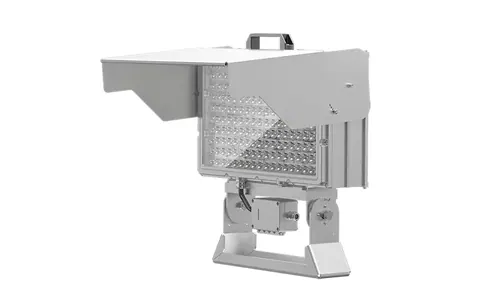 Knowledge
Site lighting for the dark months: checklist for business sites and car parks
Once the clocks go back it is dark by half past four, and the first and last hour of the working day happen in the dark. How to check your outdoor lighting now, fill the gaps and have the luminaires on site before the shortest days.
25 October 2026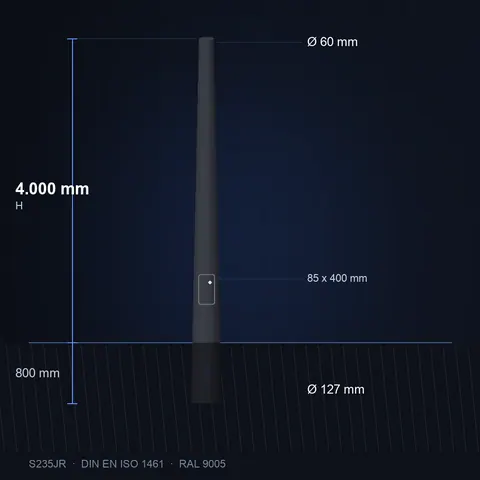 News
New: steel and aluminium lighting columns to the Dutch standard
Lichtplein now supplies conical steel lighting columns of 4 and 6 metres at a sharp price on request, plus aluminium columns of 3, 4 and 6 metres. With full dimensions on the product page, matching our street and post-top luminaires, delivered by truck.
8 October 2026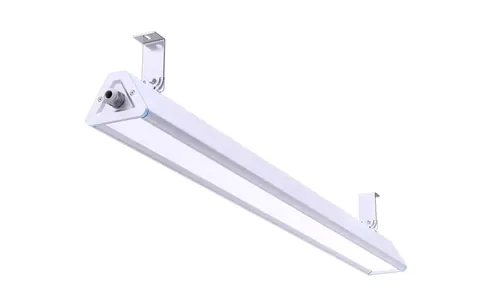 Worked examples
Worked example: a 4,000 m² warehouse from fluorescent to LED high bay
A fictional hall of 80 by 50 metres, 10 metres high, 200 lux required. Step by step we work out how many 150 W UFO high bays are needed, what that saves per year in kWh compared with fluorescent, and what sensors add on top.
8 October 2026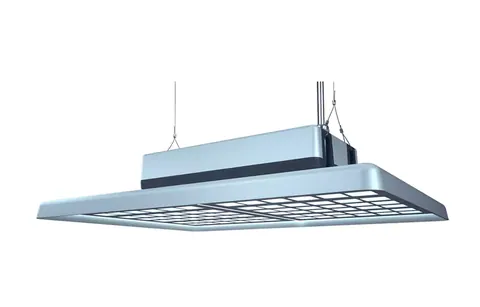 Knowledge
UFO or linear high bay: which one for your warehouse or hall
A high bay comes as a round UFO, as a linear luminaire above the racking aisle and as a flat panel with UGR<21. Which one you choose depends on mounting height, racking and the work done in the hall. This article gives the selection rules and a worked example for the number of luminaires.
8 October 2026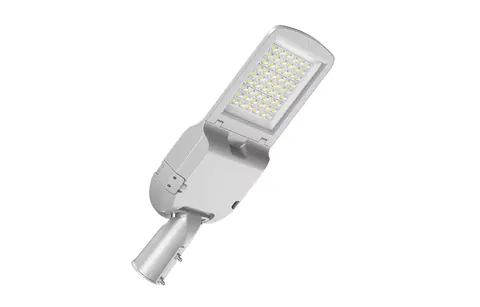 Knowledge
3000K, 4000K or 5000K: choosing colour temperature by application
Kelvin decides whether light looks warm, neutral or cool, and with it whether a street feels comfortable and a warehouse works well. We set out the right colour temperature for each application.
7 October 2026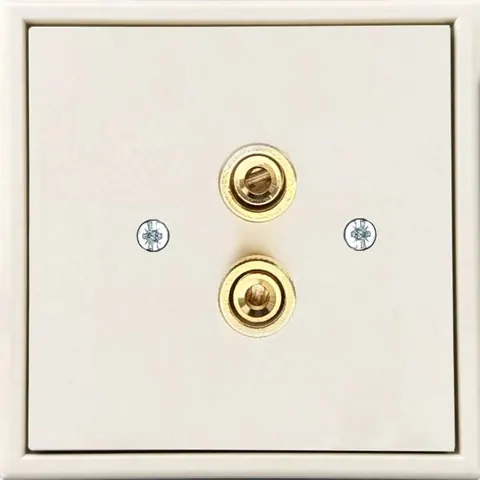 Troubleshooting
LED flickering or blinking: causes and solutions
A flickering LED luminaire can almost always be traced back to the driver, the dimmer or the installation. Here is how to find the cause in a few steps, and when a repair pays off versus a replacement.
7 October 2026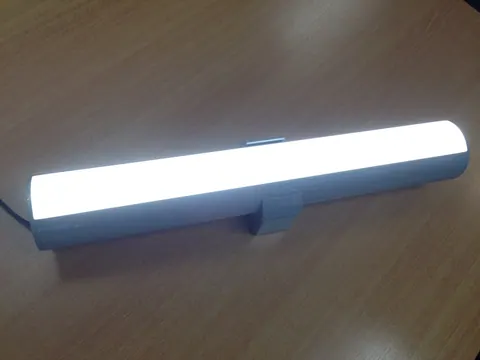 Knowledge
IP and IK ratings explained: IP65, IP66, IP67, IP69K, IK08 and IK10
The IP rating tells you how well a luminaire resists dust and water, the IK rating how much impact energy the housing can take. Read what the figures mean, which rating you need in which environment and which series from our range fit the job.
6 October 2026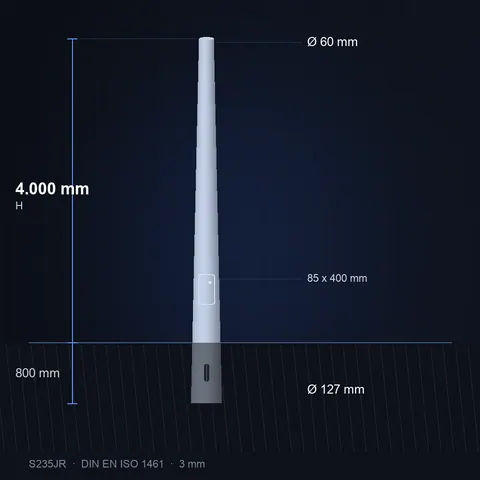 Worked examples
Worked example: car park with 12 columns of 6 metres
A fictional car park of 100 by 60 metres needs 20 lux from twelve steel lighting columns of 6 metres. We work out step by step how much light is required, which VIA street luminaires fit and what the complete bill of materials costs, indicatively.
6 October 2026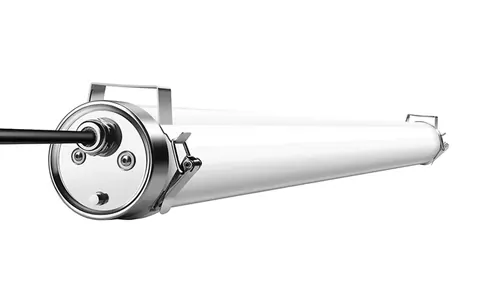 News
Ban on fluorescent tubes: what it means for replacement
Since 2023 most T5 and T8 fluorescent tubes may no longer be placed on the EU market as new products. Existing installations can keep running, but replacement needs a plan. These are the options for installers.
6 October 2026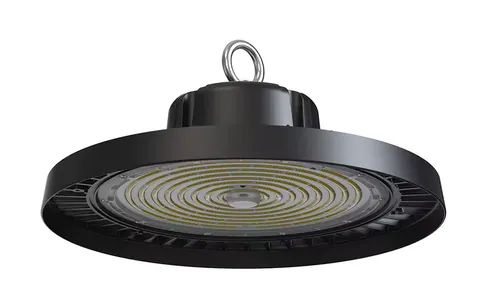 Troubleshooting
Too little light in the warehouse: diagnosis and solution
Complaints about a dark warehouse almost always come down to one of four causes: ageing, dirt, the wrong optics above the racking or simply too little luminous flux. This article shows how to find the cause with a lux meter and what the fix is.
5 October 2026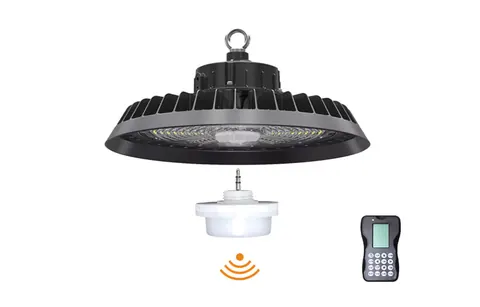 Knowledge
UGR: glare in halls and offices and why UGR<21 matters
The Unified Glare Rating captures in one figure how much discomfort glare a lighting installation causes at the workplace. This article explains which UGR limit applies where, why a UFO high bay in a low hall is often too bright, and how flat high bays, light lines, mounting height and optics keep you below UGR 19 or 22.
5 October 2026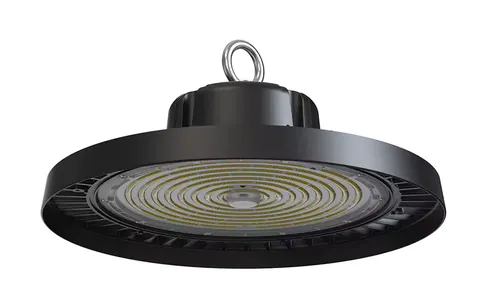 Knowledge
Lumen, lux and watt: the difference and how to calculate with them
Watt tells you what a luminaire consumes, lumen what it emits and lux what actually arrives on the working plane. Here is how you convert between them and choose the right output for each application.
4 October 2026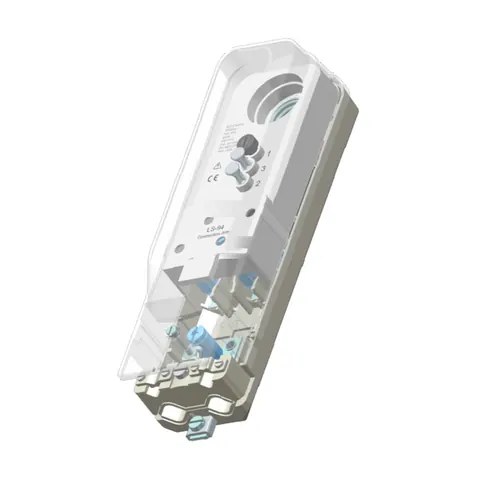 News
New: column connection boxes, fuses and earth braids in the NEXUS line
Lichtplein now also supplies what belongs behind the door of a lighting column: LS94 connection boxes to the Dutch standard, for one or two fuses, porcelain screw caps, fuse cartridges of 2, 4 and 6 A and earth braids. A column now fits completely into a single quote.
4 October 2026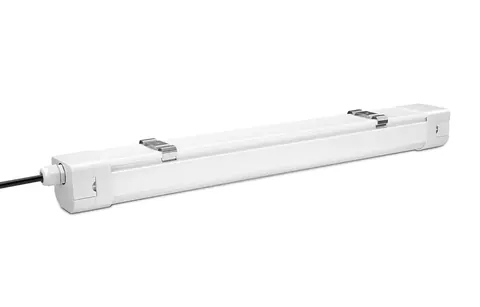 Worked examples
Worked example: car park with linear luminaires and sensors
A fictional two-level car park of 3,000 m², lit with 40 W linear luminaires with microwave sensor and night setting. This is how you arrive at the quantities, the lux level and the saving compared with lighting that burns continuously.
4 October 2026TroubleshootingCondensation in outdoor luminaires: causes and prevention
A fogged lens after a cold night is usually not a leak but the result of temperature swings. Here is how to tell the difference, and how to keep moisture out of floodlights and street luminaires with the right gasket, gland, breather valve and mounting.
3 October 2026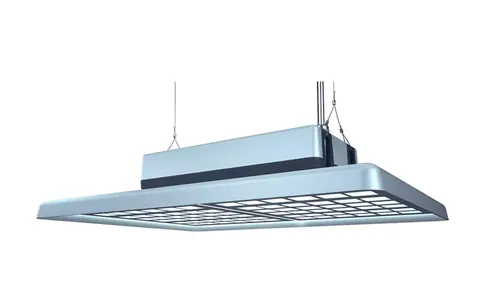 Knowledge
DALI, 1-10V, 0-10V or DIP switch: which control suits your project
DIP switch, 1-10V, 0-10V, DALI-2 or D4i: each control system needs its own cabling and suits a different kind of project. Here is how to choose the right one for a hall, car park or street.
3 October 2026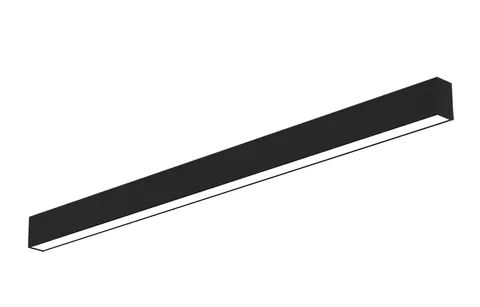 News
The standard for office lighting: what EN 12464-1 requires
The current version of EN 12464-1 asks for more than 500 lux on the desk. Walls, ceiling, cylindrical illuminance, flicker and the non-visual effect of light all count. Here is what that means for your office and industrial projects.
2 October 2026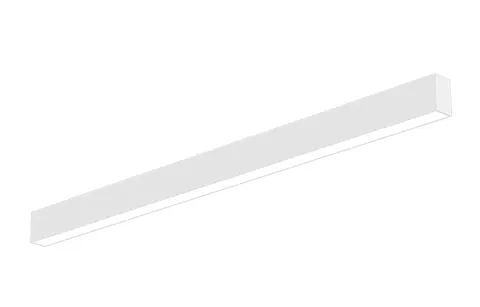 Worked examples
Worked example: a 600 m² office floor with continuous light lines
An open-plan office of 30 by 20 metres, 500 lux on the desk and UGR 19: how many light lines do you need, in what layout and on which dip-switch setting? A fictional but realistic worked example with the LINEA linear luminaires.
2 October 2026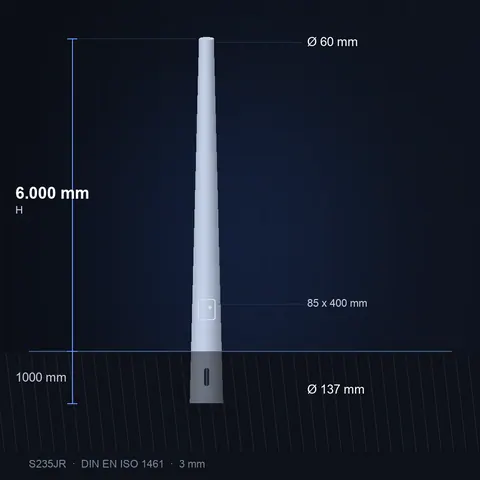 Knowledge
Which column height: 3, 4 or 6 metres for streets, sites and cycle paths
The mounting height decides how many columns you need, which luminaire wattage fits and how uniform the light will be. This is how you choose between 3, 4 and 6 metres.
2 October 2026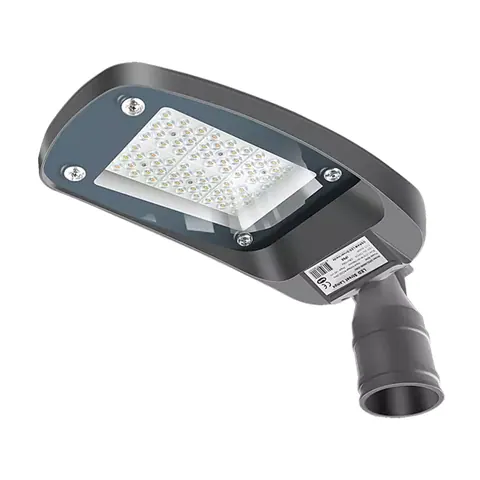 Troubleshooting
Luminaires failed after a thunderstorm: recognising surge damage
Three columns dark the morning after a storm, but the fuses are intact. Here is how to recognise surge damage, how to replace the SPD and driver, and how to handle warranty, insurance and prevention.
1 October 2026KnowledgeSteel or aluminium lighting column: the differences
Steel or aluminium for your lighting columns? We compare weight, price, corrosion, maintenance, impact behaviour, recycling and lead time, so you can pick the right column for each project.
1 October 2026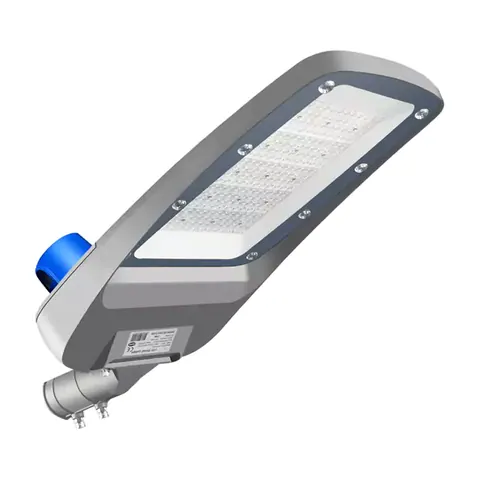 News
New: lighting calculation for 350 euros
Lichtplein now makes a lighting calculation for a fixed price of 350 euros excl. VAT. Supply a drawing, a Google Maps image or just the address and receive a proposal with luminaires, columns, quantities and prices, usually within a few working days.
30 September 2026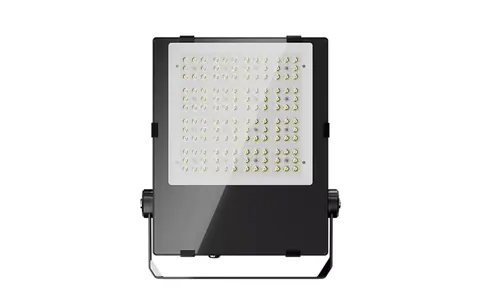 Worked examples
Worked example: lighting two padel courts to 300 lux
Two padel courts side by side, class II at 300 lux, 150 W padel floodlights on the fence or on 6 metre masts. From lux to lumens, number of luminaires, circuits and spill light, worked through step by step.
30 September 2026KnowledgeHot-dip galvanised or powder coated: the finish on lighting columns
A steel lighting column stands outdoors for decades, and its finish decides whether it gets there without rust. What hot-dip galvanising to EN ISO 1461 does, when a duplex system with RAL 9005 powder coating justifies the extra cost, and how you protect the ground-line zone.
30 September 2026TroubleshootingComplaints about glare in the office: causes and solutions
Staff tilting their screens, taping over luminaires or going home with a headache: glare is one of the most common complaints after a new office lighting installation. Here is how to find the cause and how to fix it with UGR<21 light lines, an indirect component and the right layout.
29 September 2026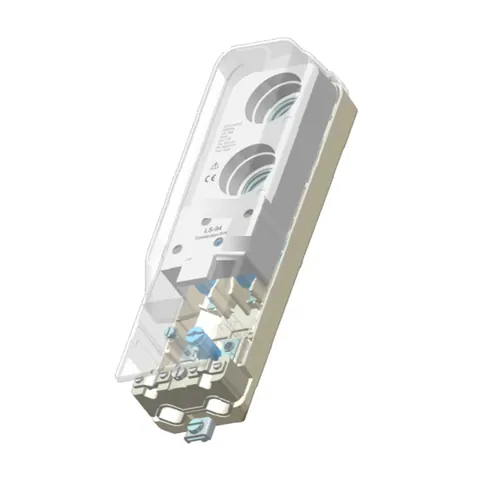 Knowledge
Column connection box and fuses: what a lighting column needs
Every lighting column needs a connection box behind its access door, where the underground cable is looped through and the luminaire gets its own fuse. Here is what the Dutch standard LS94 box does, how you choose between one and two fuses and what to order per column.
29 September 2026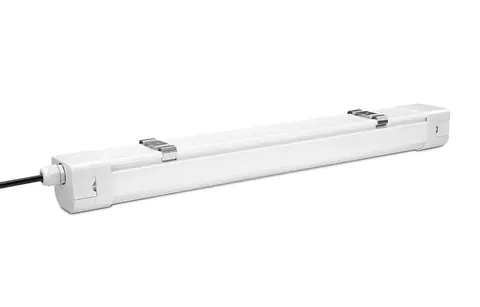 Worked examples
Worked example: a 2,000 m² poultry house with dimmable batten luminaires
How many dimmable batten luminaires does a 100 by 20 metre broiler house need, how do you lay out the rows and how do you drive the lighting programme? A fictional worked example with 60 W linear luminaires from the TRIVO range, including high-pressure cleaning.
28 September 2026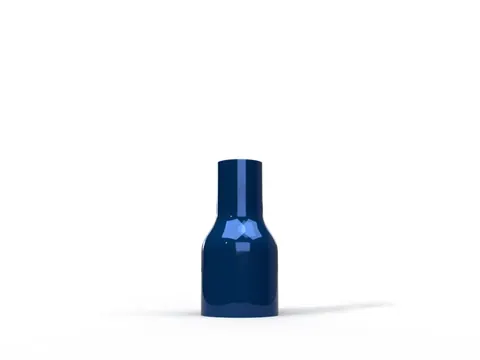 Knowledge
When is a solar lighting column the best choice
A solar lighting column needs no cable and no grid connection. We explain when that pays off, how the battery gets through the winter and which sites are suited to it.
28 September 2026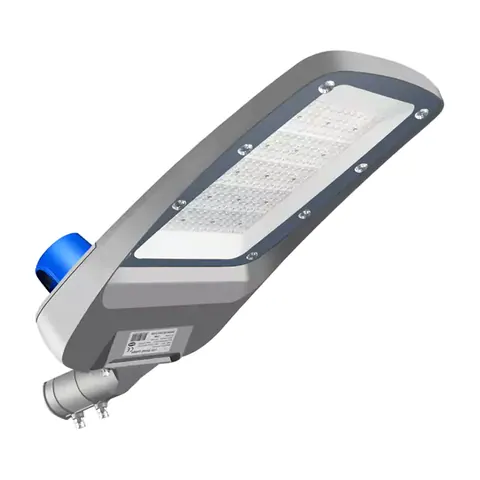 News
Zhaga and D4i: the standard for smart street lighting
More and more municipalities specify Zhaga-D4i for new street lighting. What the socket and the certification involve, what a node on the luminaire delivers, and which VIA luminaires come with DALI-2 and D4i.
28 September 2026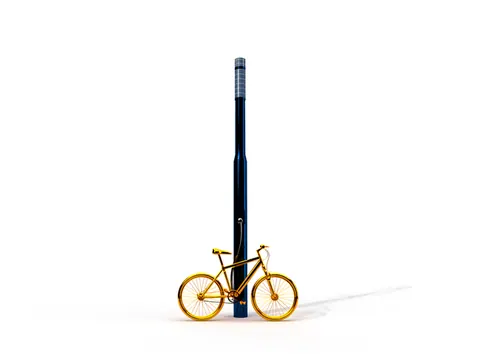 Knowledge
Charging from the lighting column: how a charging lamp post works
A charging lamp post combines public lighting with two EV charge points in a single aluminium column. We explain how the CityCharger works, what OCPP and load balancing do and where the column fits best.
27 September 2026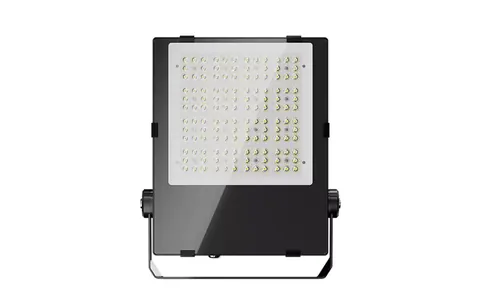 Troubleshooting
Light nuisance for neighbours from site lighting: how to prevent complaints
A well-lit site is no reason for a complaint from the neighbours; a badly aimed floodlight is. Here is how to choose optics, shielding, colour temperature and night-time dimming so the light stays on the site and the bedroom next door stays dark.
27 September 2026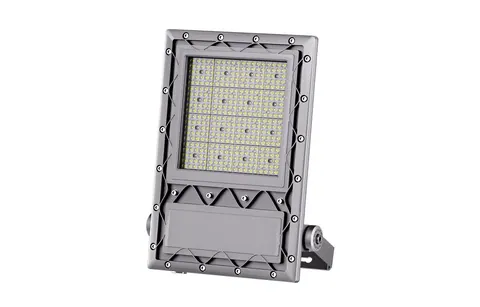 Knowledge
ATEX zones 1, 2, 21 and 22: which lighting is permitted
You cannot hang an ordinary high bay in a room with an explosion risk. Here is how to read the zone classification and the Ex marking, and how to choose the luminaire, junction box and cable glands for chemical plants, grain storage or paint shops.
26 September 2026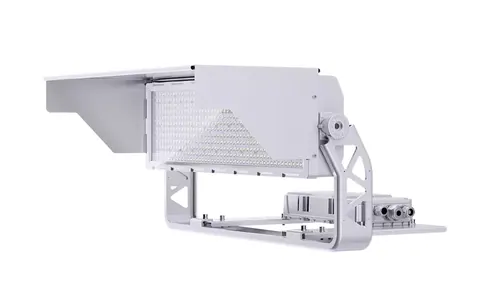 Troubleshooting
Vandalism and impact damage to outdoor lighting: how to limit the damage
Smashed luminaires, columns hit by vehicles and forced column doors cost far more than the product itself. Read which IK rating, mounting height, materials and column door closure limit the damage, and how to keep replacement costs down.
25 September 2026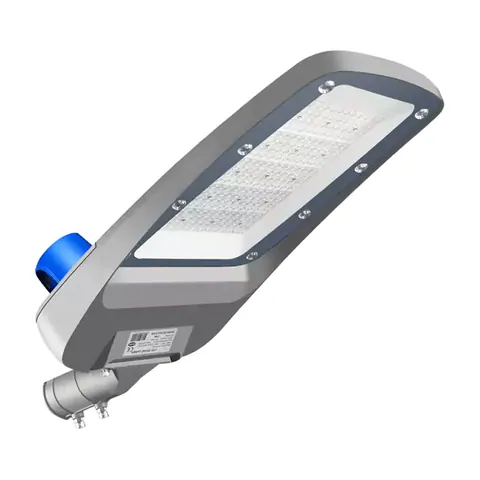 Knowledge
What you need for a lighting calculation
A lighting calculation stops you ordering too many or too few luminaires. Here is what we need from you, what you get back and how Lichtplein offers the calculation for 350 euros excl. VAT.
25 September 2026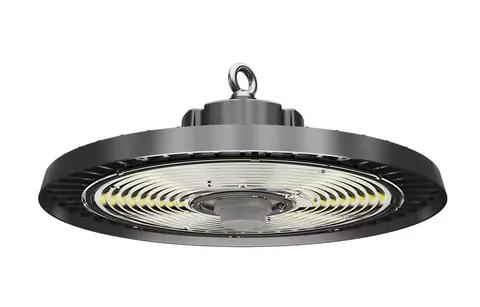 News
Ecodesign and the energy label for light sources: what it means for LED luminaires
Since September 2021 the EU has applied new ecodesign requirements to light sources and separate control gear, together with an energy label from A to G. What the rules cover, why luminaires themselves no longer carry a label and what to check as an installer.
24 September 2026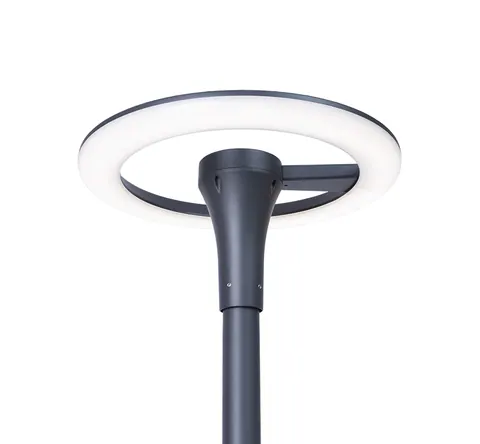 Knowledge
Post-top luminaire or street luminaire: the difference and where to use each
A post-top luminaire sits on top of the column and lights all round; a street luminaire mounts on a bracket or tilts on the column top and directs the light along the road. Here is how to choose the right type, column height and light distribution for your project.
24 September 2026KnowledgeType II and type III light distribution: optics for street lighting
The optic decides whether the light lands on the cycle path, across the full carriageway or in the neighbours' garden. Here is how to read the IES types and match the distribution to mounting height and road width.
23 September 2026TroubleshootingRust at the column base: causes and prevention
Rust on a lighting column almost always starts just above ground level. Why there, how to prevent it on new columns and what to do with columns that are already affected.
23 September 2026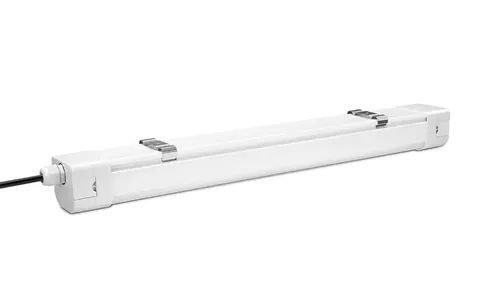 Knowledge
Lighting for poultry and livestock houses: requirements for luminaires
Ammonia, moisture and pressure washers make a livestock house one of the harshest environments for a luminaire. Find out which IP rating, light level, dimming and colour temperature poultry, pigs and dairy cattle need, and how to meet them with linear luminaires from the TRIVO range.
22 September 2026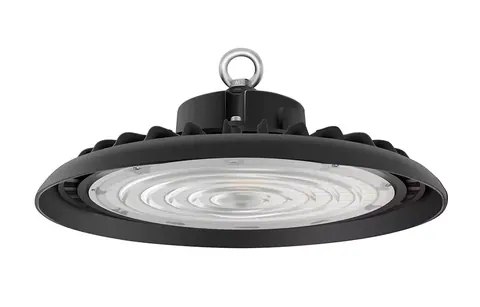 Troubleshooting
Dimming does not work: checking DALI, 1-10 V and the wiring
The luminaire lights up but ignores the dimmer? The fault is almost always in the control line, the addressing or a dimmer that does not match the driver. This step-by-step guide finds the cause without taking luminaires down.
21 September 2026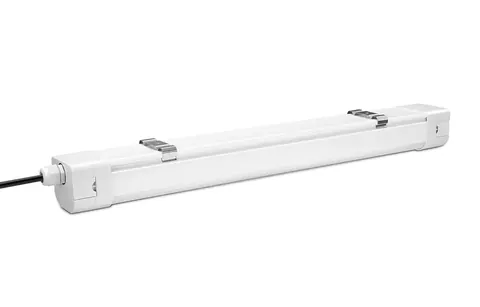 Knowledge
Lighting car parks: linear luminaires, sensors and standards
A car park is lit 24 hours a day and is damp, cold and full of road salt. Here is how you choose the right lux level, the right IP rating and a sensor scheme that cuts the energy bill substantially, and how you install the linear luminaires quickly with through-wiring.
21 September 2026NewsEN 40: what a lighting column must comply with
A lighting column is a construction product and falls under the European standard series EN 40. What that standard covers for design, wind load, steel and aluminium, and which documents you as an installer should expect with a delivery.
20 September 2026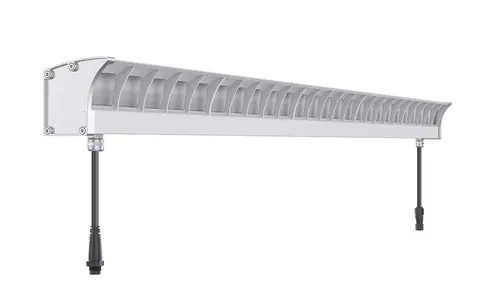 Knowledge
Lighting tennis and padel courts: lux, columns and spill light
How many lux does a tennis or padel court need, how many columns do you install and how do you keep the light away from the neighbours? A practical guide for installers.
20 September 2026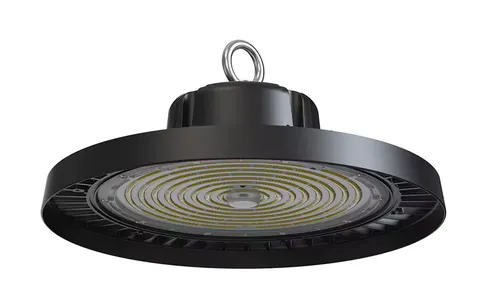 Troubleshooting
Colour differences between luminaires: binning and colour temperature
Two 4000K luminaires from two deliveries, and still one segment of the light line looks warmer than the next. Here is where that difference comes from, what binning and MacAdam ellipses mean, and how to avoid it when re-ordering.
19 September 2026 Knowledge
Spring clamp or screw terminal in wiring accessories: which to choose
A switch or socket outlet is connected with either a spring clamp or a screw terminal. That difference decides how fast you install, which conductor you can use and how the connection holds up over the years. Here are the pros and cons and which Lichtplein range uses which system.
19 September 2026 Knowledge
Which wiring accessories for housing, hotels and offices
A switch only draws attention when the finish is wrong. Here is how to choose between basic and premium wiring accessories, which colour suits which project, and how to include hotel key card switches and USB sockets in your take-off list.
18 September 2026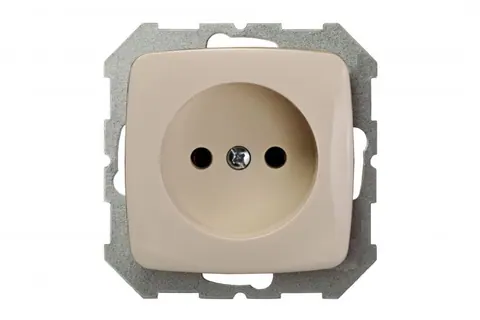 Knowledge
Flush-mounting boxes and cover frames: European sizing and depth
60 mm fixing centres, depths of 47 and 63 mm and 71 mm centres for multi-gang frames: these dimensions decide whether wiring accessories end up flush and straight in the wall. Including the mistakes seen most often on site.
17 September 2026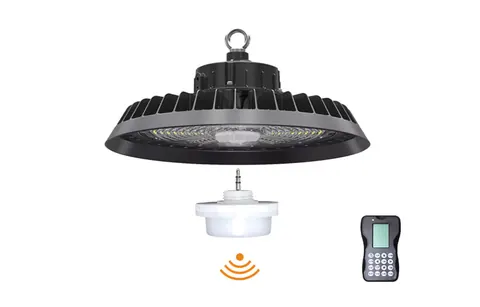 Knowledge
Saving energy with sensors and daylight control in halls
In most halls the lighting runs at full power while nobody is in the aisle. With plug-in sensors, daylight control and sensible zoning you can save a large share of that consumption; in the worked example in this article it comes to more than half.
16 September 2026 News
Councils and charging infrastructure: the lighting column as a charging point
More and more residents without a driveway are requesting a public charging point, while the pavement is already full. Councils are therefore looking at the charging lamp post: lighting and two charging points in one column. These are the developments and the points to watch.
16 September 2026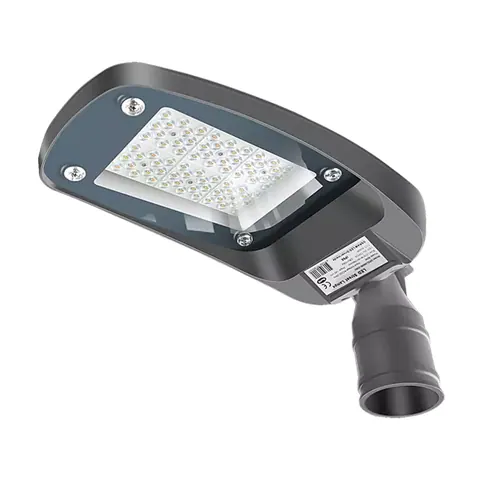 Knowledge
Surge protection in outdoor lighting: why 10 kV
An LED driver can take a lot, but not a voltage spike of several kilovolts. Here is how those spikes arise on columns and sites, how the SPD inside the luminaire works, and why 10 kV is the right class for street lighting.
15 September 2026KnowledgeOffice lighting: lux, UGR and continuous light lines to the standard
500 lux on the desk, UGR 19 and a uniformity of 0.60: that is what the standard asks for office work. Here is how to turn those requirements into continuous light lines, the choice between pendant and surface mounting and the right wattage setting.
14 September 2026KnowledgeFloodlights for yards and façades: wattage, optics and mounting
Which wattage goes with which mounting height, when do you choose an asymmetric optic, and how do you keep the light off the neighbours and off the water? A practical selection guide for installers.
13 September 2026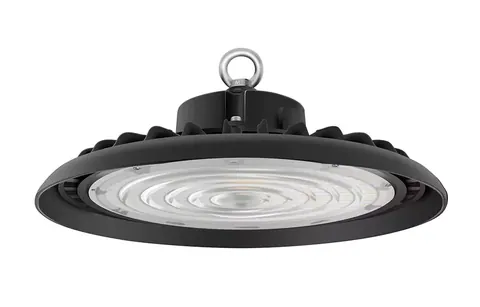 Knowledge
LED lifetime explained: L70, L80 and L90
An LED rarely fails outright, it slowly loses output. L70, L80 and L90 state how much light is left after a given number of hours. Here is how to read those values, how manufacturers arrive at 50,000 or 100,000 hours and how to plan replacement.
12 September 2026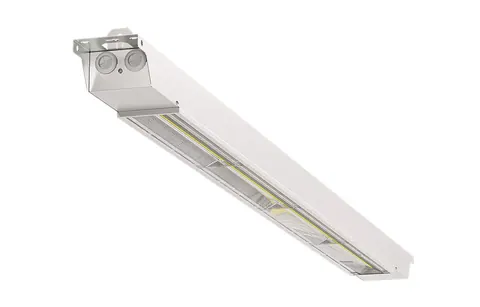 Knowledge
CE, RoHS and warranty: what an installer checks
CE marking is a manufacturer's declaration, not a quality mark. Read what you check on delivery, what RoHS actually restricts, which warranty you get on luminaires and wiring accessories, and how a claim with Lichtplein works.
11 September 2026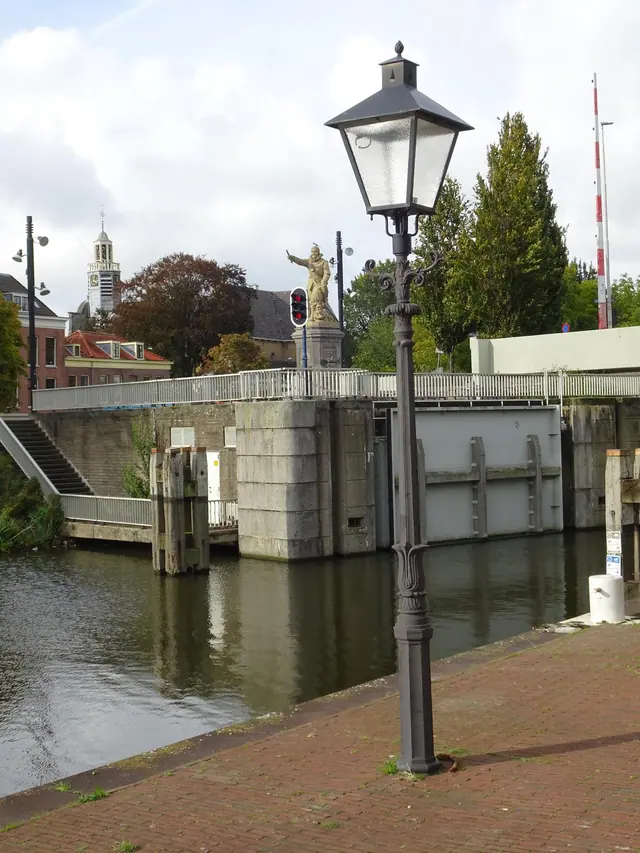 Projects
Delfshaven, Rotterdam: classic lanterns converted to LED without replacement
In historic Delfshaven, the classic municipal lanterns were converted to LED with a retrofit kit: same luminaire, same streetscape, a fraction of the consumption. What a retrofit involves, what to check and when replacement is the better choice.
10 September 2026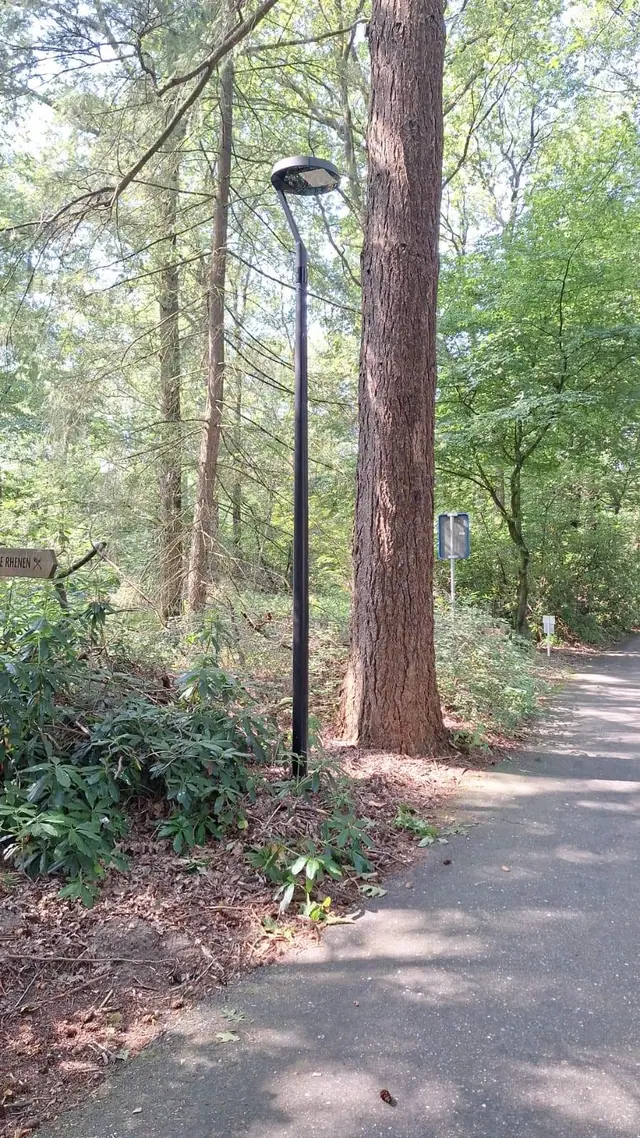 Projects
Residence Rhenen, Elst: post-top lighting in a wooded setting
On a residential park among the trees near Elst (Utrecht), two post-top models on low columns deliver atmosphere and safety at the same time. What this project teaches and how you achieve the same result with POLARIS, CIVIS and TURRIS.
9 September 2026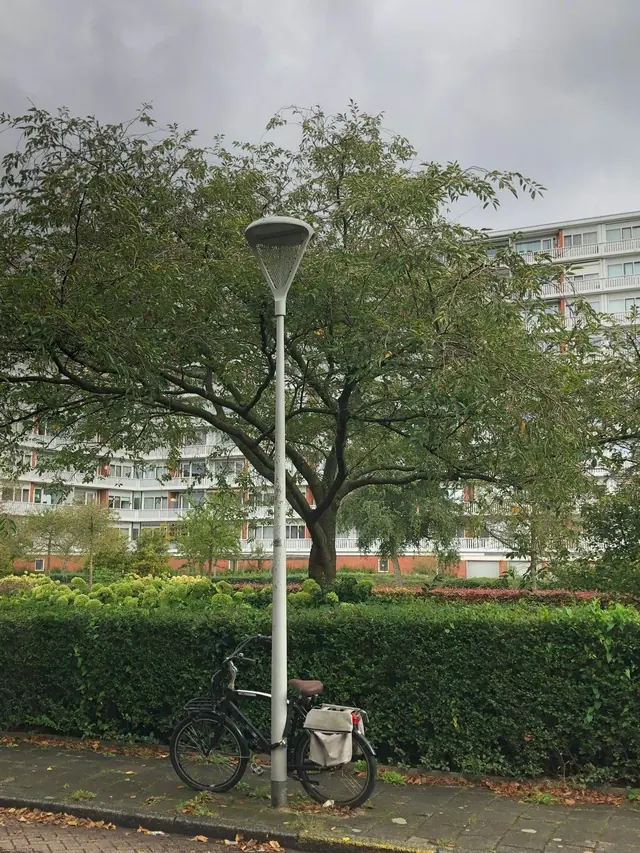 Projects
Notweg, Amsterdam Osdorp: street luminaire with two light sources
On the Notweg in Amsterdam Osdorp, a residential street was fitted with luminaires carrying two light sources side by side, each with its own light distribution and lumen output. What that does for uniformity, and how you apply the same principle with the VIA series.
8 September 2026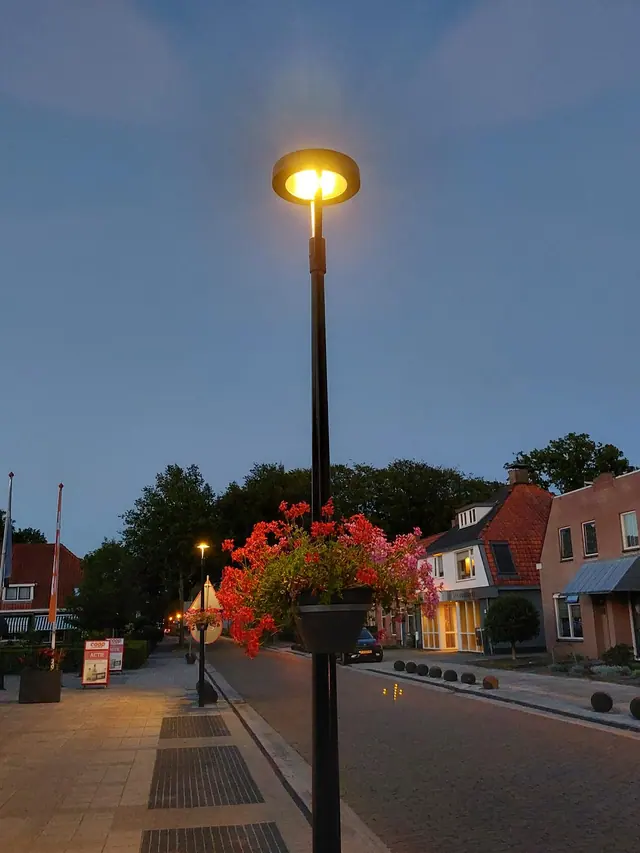 Projects
Schoterlandseweg, Heerenveen: contemporary design with warm light
Along the Schoterlandseweg in the municipality of Heerenveen, a through road in a village setting received new street lighting with a clean, geometric luminaire and warm white light. What lighting designers ask for on a road like this, and how you achieve the same look with the VIA and POLARIS ranges.
7 September 2026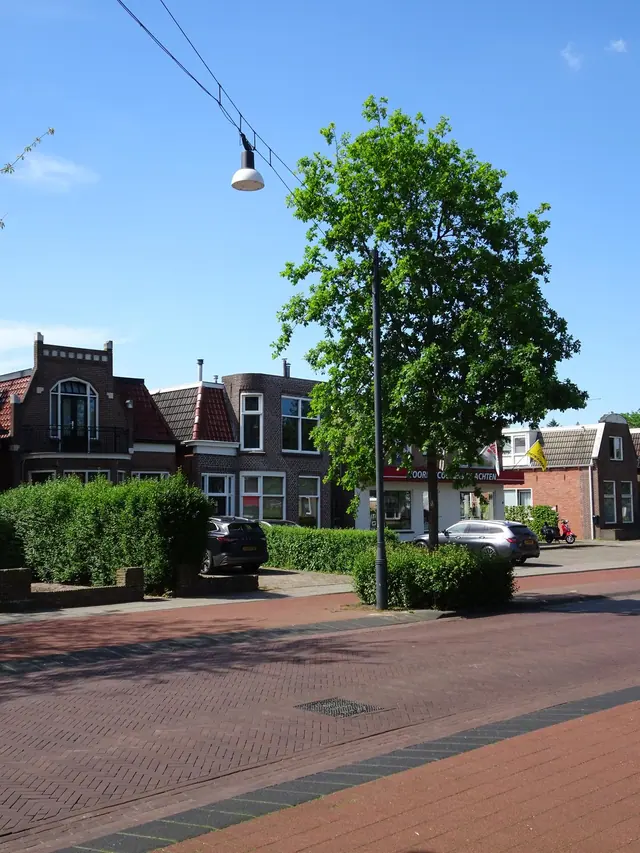 Projects
Stationsweg, Drachten: robust lighting in the town centre
In the heart of Drachten, a robust street luminaire lights the Stationsweg: low consumption, little glare and a timeless design. What this project teaches for similar town-centre streets, and how the VIA series from Lichtplein fits that brief.
6 September 2026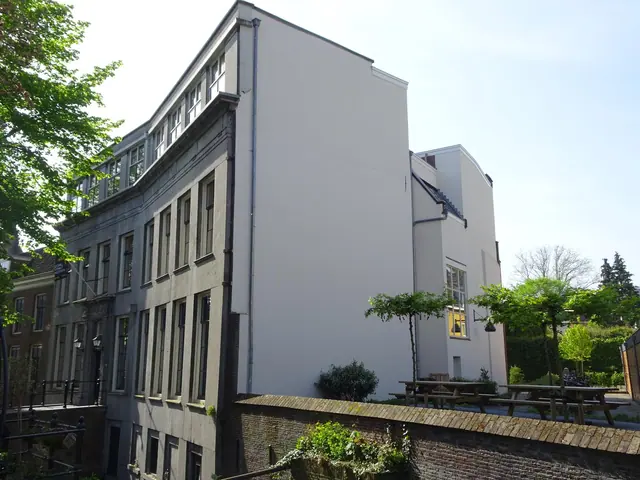 Projects
Kromme Nieuwe Gracht, Utrecht: lighting a listed canal house
On the Kromme Nieuwe Gracht in Utrecht, a listed canal house received a classic-looking luminaire with modern LED technology. What lighting in a conservation area involves, and which Lichtplein ranges fit the job.
5 September 2026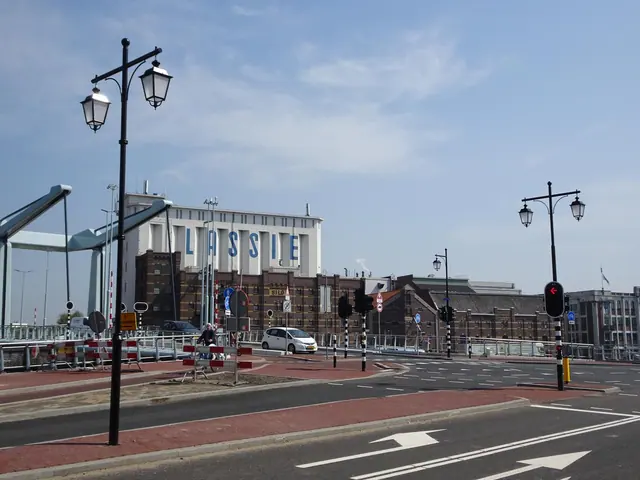 Projects
Zaanweg Oost, Zaandam: classic lanterns with modern technology
On Zaanweg Oost in Zaandam, a dyke road along the river Zaan, classic lanterns fitted with LED give a calm, even glow that suits the historic surroundings. Here is how to translate that look into your own project with POLARIS classic and aluminium columns from CIVIS.
4 September 2026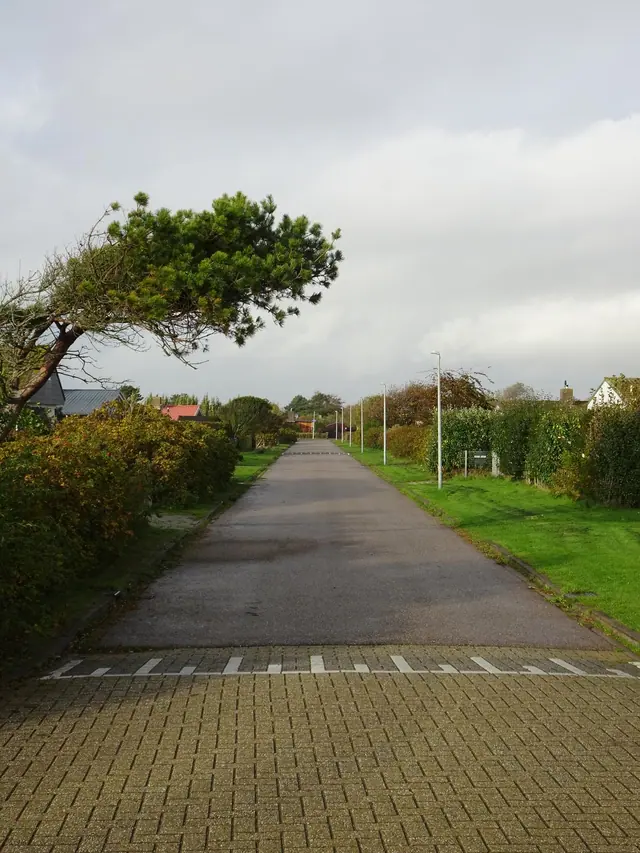 Projects
Kraaiheide, Den Helder: compact lighting on the edge of the dunes
In a residential area bordering the dunes near Den Helder, small high-efficiency luminaires sit on low columns. What this approach teaches and how you achieve a comparable result with POLARIS and VIA.
3 September 2026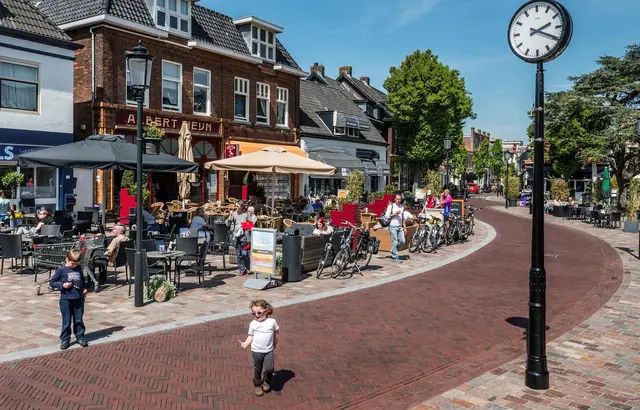 Projects
Heereweg, Lisse: a classic lantern as the eye-catcher
On the Heereweg in Lisse, the main street of the bulb-growing village, classic lanterns with two light distributions and up to 4,500 lumens give a bright, calm streetscape. What a village centre needs in terms of light, and how you recreate it with the classic post-top luminaire from POLARIS.
2 September 2026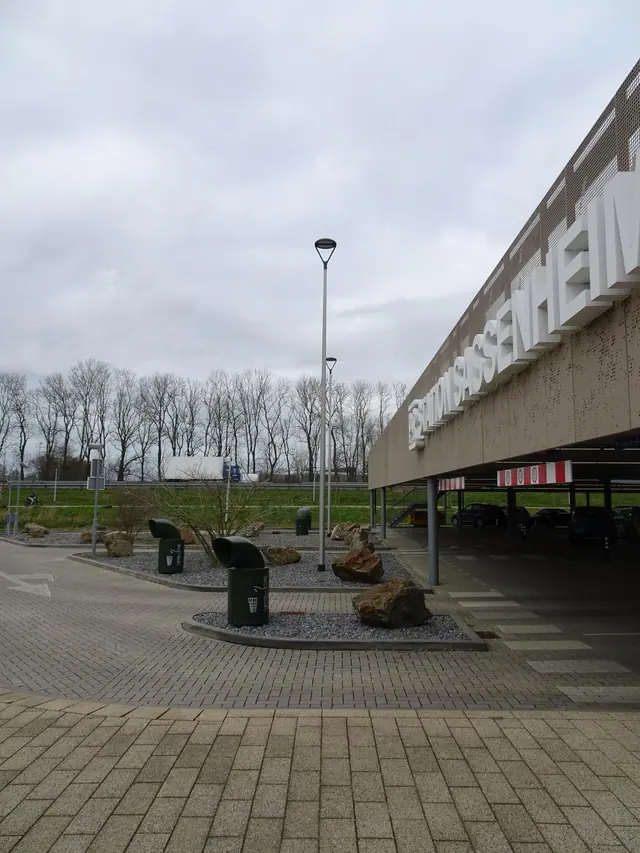 Projects
Sassenheim: comfortable light without glare
In a municipal street in Sassenheim, a plainly styled street luminaire with two independent light sources delivers roughly 1,500 to 15,000 lumens. Why that simplicity keeps glare low, and how you achieve the same with the adjustable street luminaires of VIA.
1 September 2026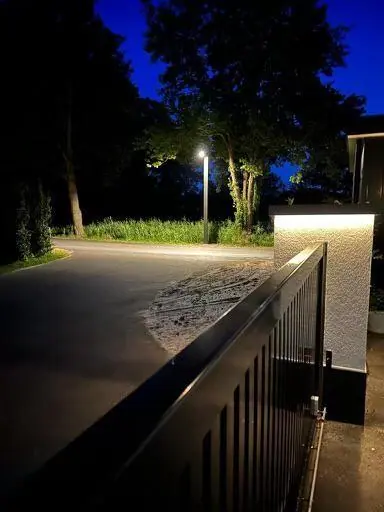 Projects
Veenendaal: minimalist lighting at a private home
At a detached home in Veenendaal, a clean, minimalist post-top luminaire on a low column lights the driveway and garden. What this project teaches and how you build the same look with POLARIS and the 3 metre aluminium column from CIVIS.
31 August 2026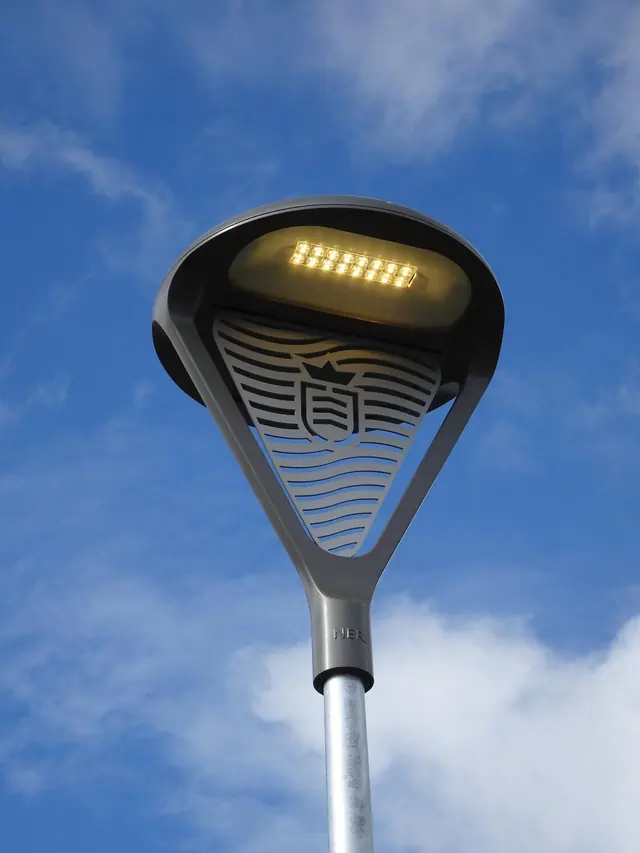 Projects
Flaneerkade, Den Helder: custom work with the municipal logo in the luminaire
On the Flaneerkade in Den Helder stands a lighting column whose luminaire carries the municipal logo: a custom shield, designed by an urban planner. What such a detail demands of luminaire, column and coastal durability, and how you request comparable custom work from Lichtplein.
30 August 2026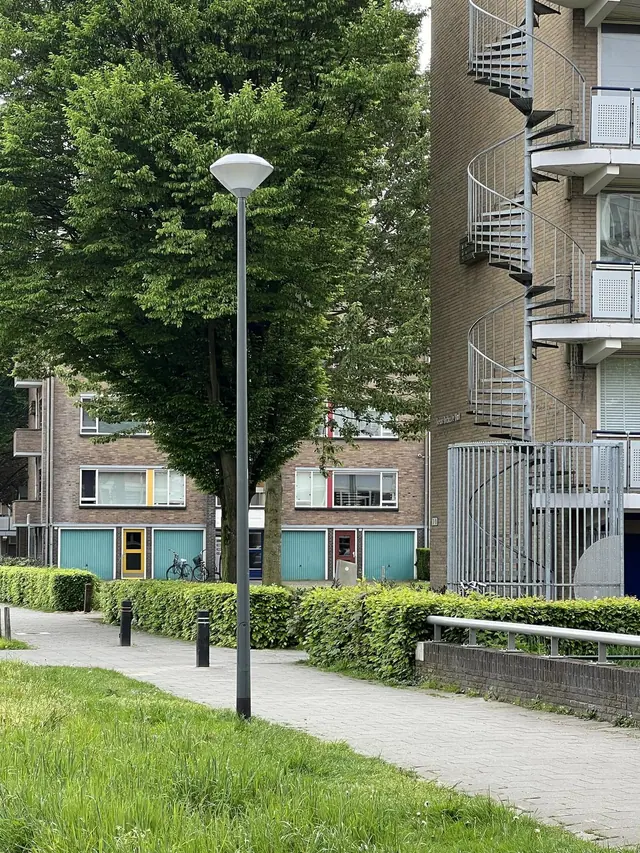 Projects
Municipality of Veenendaal: faceted post-top luminaires in a residential area
In a residential area of Veenendaal, faceted gem-shaped post-top luminaires with an opal diffuser and warm white 3000 K light give a calm streetscape and good facial recognition. What this project teaches and how you build the same with POLARIS and TURRIS.
29 August 2026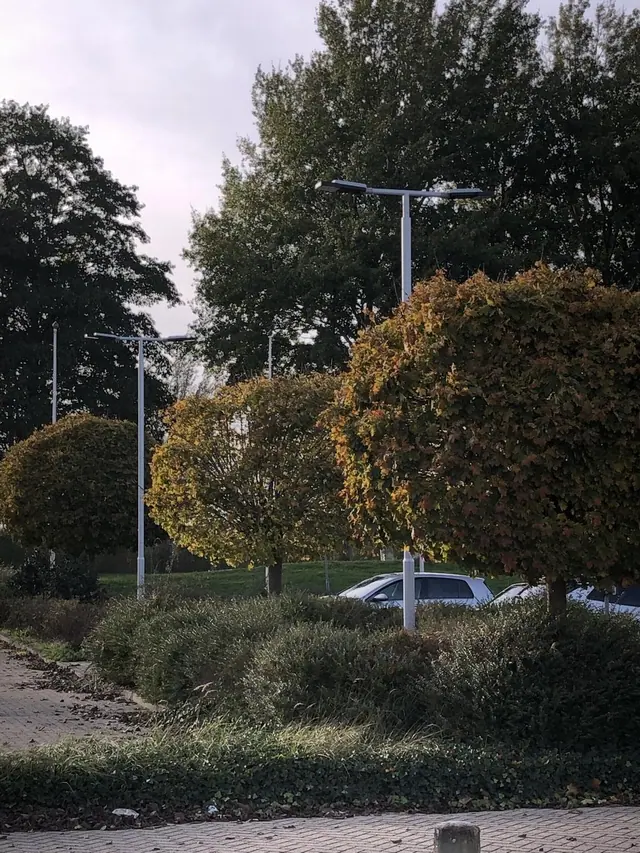 Projects
Genemuiden: site lighting at a manufacturing plant
The yard of a manufacturing plant in Genemuiden received new LED luminaires on columns: functional light for logistics and safety, with little glare towards the surroundings. What was done there and how you build the same with VIA, FLUX and TURRIS.
28 August 2026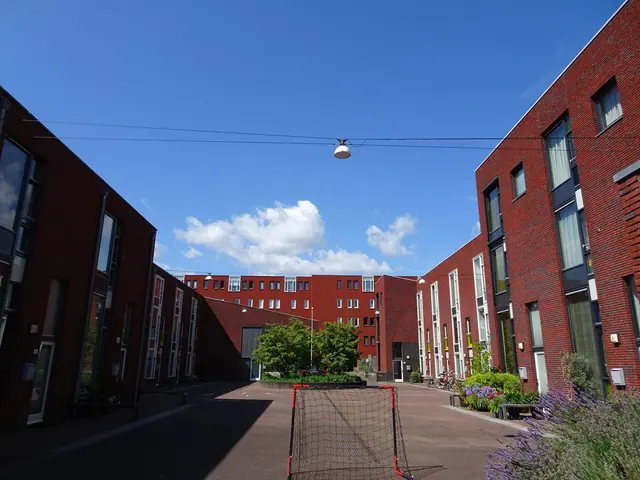 Projects
Spoorbrughof, Apeldoorn: lighting a new residential courtyard
In a new-build courtyard in Apeldoorn, compact street luminaires on low columns light the carriageway and footpaths evenly without disturbing the small-scale character. What this approach teaches and how you achieve the same with VIA and CIVIS.
27 August 2026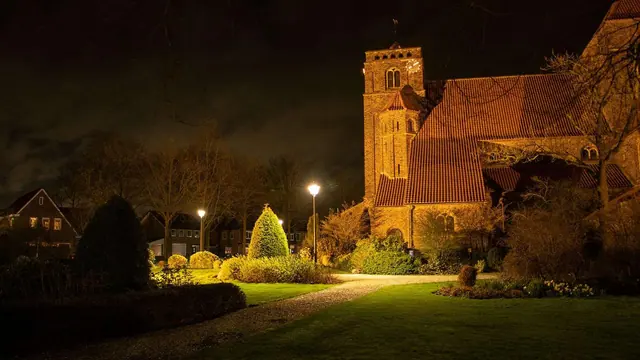 Projects
Sint Jozefkerk, Achterveld: classic lighting around the church square
Around the Sint Jozefkerk in Achterveld, classic lanterns with LED technology light the church square safely and atmospherically without overpowering the historic building. What a church square needs in light, and how you recreate it with the classic post-top luminaire from POLARIS.
26 August 2026