Stationsweg, Drachten: robust lighting in the town centre
In the heart of Drachten, a robust street luminaire lights the Stationsweg: low consumption, little glare and a timeless design. What this project teaches for similar town-centre streets, and how the VIA series from Lichtplein fits that brief.
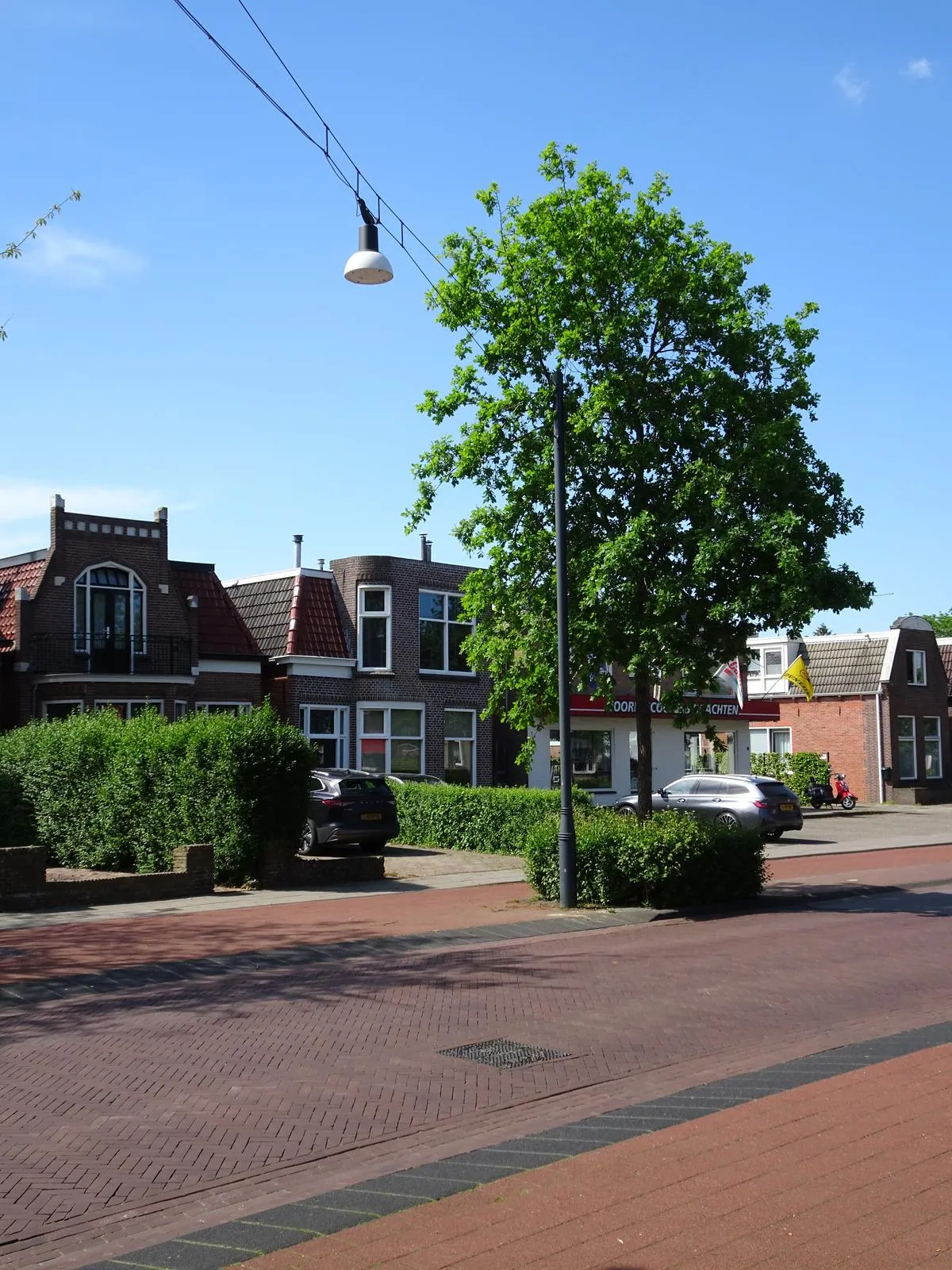
A town-centre street with many users
The Stationsweg runs through the heart of Drachten. As in most town-centre streets, everything comes together here: shops and hospitality, residents above the premises, cyclists, pedestrians and early-morning deliveries. The lighting has to serve all of them without dominating the streetscape.
The choice fell on a clean, timeless street luminaire mounted on a column. Three requirements come first in a street like this: a robust housing, low energy consumption and as little glare as possible for shoppers and residents.
Robust in practice
In a town-centre street, robust means more than a sturdy canopy. The luminaire sits for years in rain, road salt and exhaust fumes, and takes the occasional knock during events or deliveries. In concrete terms that comes down to:
- IP66: dust-tight and protected against water jets, no condensation in the optic.
- IK08 or higher: resistant to knocks from tail lifts, scaffolding and balls.
- 10 kV surge protection: a thunderstorm or a switching spike on the grid does not cost you a driver.
- Replaceable driver and LED module: maintenance from the access platform, without dismantling the column.
Little glare, enough light
A shopping street generally falls within the P classes of EN 13201, in the order of 7.5 to 15 lux average horizontal, depending on footfall and the sense of safety. The road authority sets the class. That level is generally achievable with 25 to 50 W of LED per light point at a mounting height of 4 to 6 metres, depending on column spacing and optic.
You limit glare with a flat, shielded lens and a tilt angle of 0 degrees, so that no light escapes above the horizon. A warm white colour temperature of 2700 or 3000 K looks calmer than 4000 K and suits facades and terraces better.
Low consumption all night long
Compared with high-pressure sodium or compact fluorescent, LED often saves half or more in streets like this, depending on the existing installation. A dimming profile that drops to 50 percent late at night saves a substantial further share of the annual consumption, without the street feeling dark. A driver with DALI-2 or an astronomical dimming clock handles that without extra cabling.
How the VIA series fits this brief
This project was not carried out by Lichtplein, but anyone lighting a similar town-centre street will find the same principles in the VIA series: street luminaires from 25 to 100 W in IP66, with 10 kV surge protection, tiltable on a 60 mm spigot and up to 160 lm/W. You choose the driver: DALI-2 with D4i for municipal asset management, or adjustable output via dip switch for a straightforward installation.
Matching columns come from the TURRIS series: conical steel lighting columns of 4 and 6 metres, hot-dip galvanised or powder-coated in RAL 9005. The NEXUS column cut-out fits in the door opening and provides the fuse for each column.
Planning and delivery
Lichtplein delivers luminaires from European stock within 5 working days, steel columns in 3 to 5 weeks. For a street with several columns, Lichtplein prepares a lighting calculation for 350 euros excl. VAT, so that column spacing and wattage are fixed before you order. Business customers only.
Frequently asked questions
What light level suits a town-centre street?
Often a P class according to EN 13201, in the order of 7.5 to 15 lux on average. The road authority sets the class and a lighting calculation determines the level per street.
Which colour temperature suits a shopping street?
2700 or 3000 K. Warm white light looks calmer, renders facades and terraces naturally and causes less glare than 4000 K.
Does UGR also apply to street lighting?
No, UGR is a measure for interiors. Outdoors you limit glare through the luminaire's luminous intensity class, a flat lens and a tilt angle of 0 degrees.
Does a VIA luminaire fit an existing column?
Yes, if the spigot is 60 mm. The luminaire is tiltable, so you set the angle to 0 degrees at installation for minimal glare.
How long do columns and luminaires take to deliver?
Luminaires within 5 working days from European stock, steel columns in 3 to 5 weeks. Project prices apply from 100 luminaires or 20 columns.
Browse the VIA series for street luminaires that suit a town-centre street, or request a lighting calculation for your own project.
Read also
 Knowledge
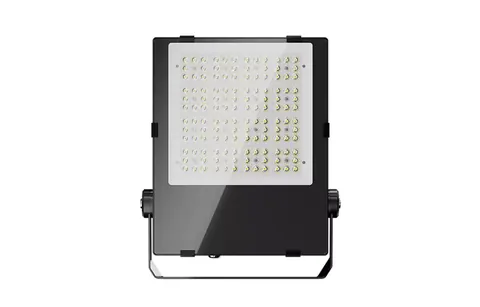
LED lighting before year end: KIA, EIA and planning for Dutch businesses
Many companies replace their lighting in the last months of the year. What the Dutch small-scale investment allowance (KIA) and energy investment allowance (EIA) can mean, what to watch out for and how to have the luminaires on site in time.
28 October 2026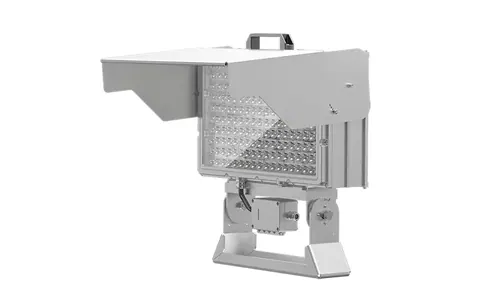 Knowledge
Site lighting for the dark months: checklist for business sites and car parks
Once the clocks go back it is dark by half past four, and the first and last hour of the working day happen in the dark. How to check your outdoor lighting now, fill the gaps and have the luminaires on site before the shortest days.
25 October 2026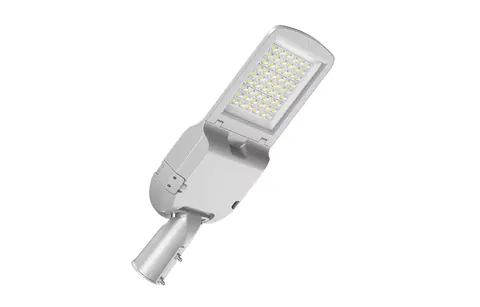 Knowledge
3000K, 4000K or 5000K: choosing colour temperature by application
Kelvin decides whether light looks warm, neutral or cool, and with it whether a street feels comfortable and a warehouse works well. We set out the right colour temperature for each application.
7 October 2026 Knowledge
IP and IK ratings explained: IP65, IP66, IP67, IP69K, IK08 and IK10
The IP rating tells you how well a luminaire resists dust and water, the IK rating how much impact energy the housing can take. Read what the figures mean, which rating you need in which environment and which series from our range fit the job.
6 October 2026